Economic Viability of Thermal Desorption for Oil Contaminated Soil Remediation
Soil contamination due to oil spills or industrial activity is a persistent environmental challenge. Cleaning up oil-polluted soil is vital for restoring ecosystems and preventing further ecological damage. Among various treatment technologies, thermal desorption stands out as an efficient and economically feasible option for oil-contaminated soil remediation. By applying controlled heat, a thermal desorption unit facilitates the separation of contaminants from the soil, making it an attractive solution for large-scale decontamination projects.
1. Overview of Thermal Desorption Technology
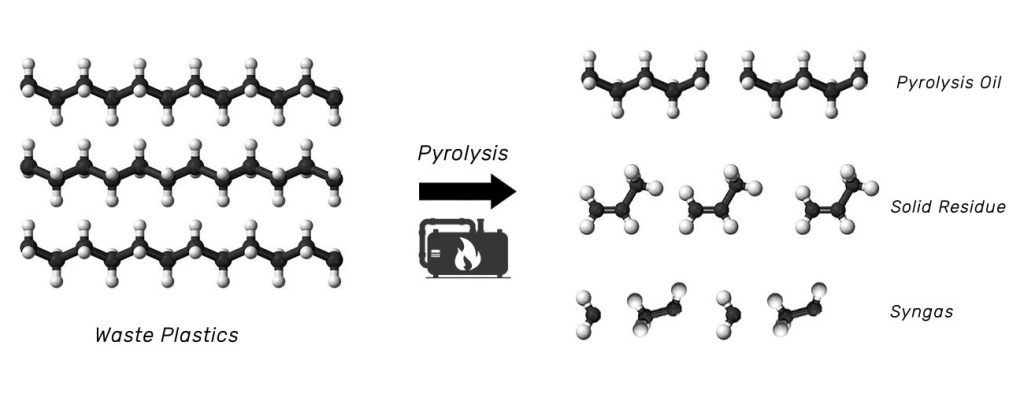
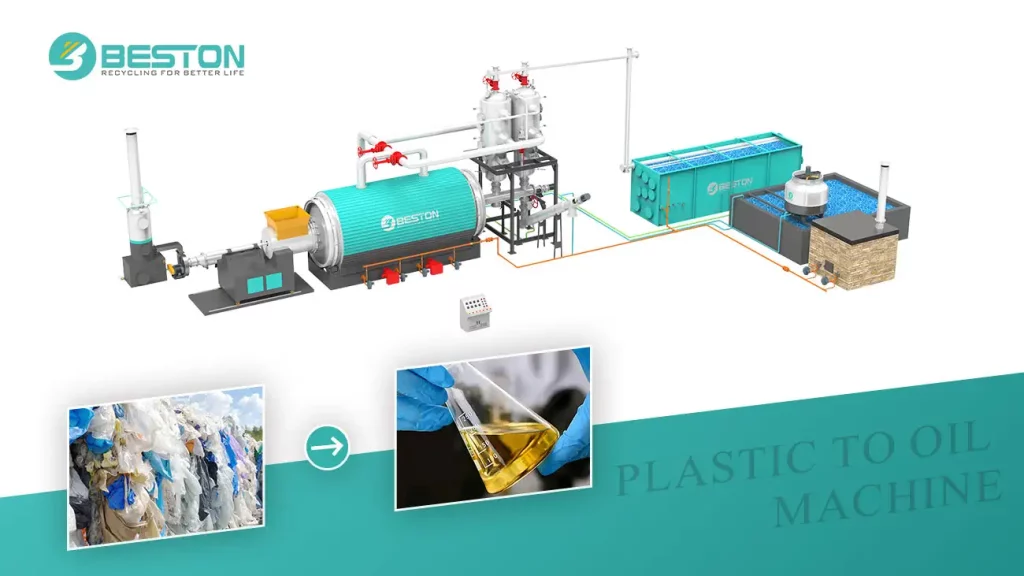
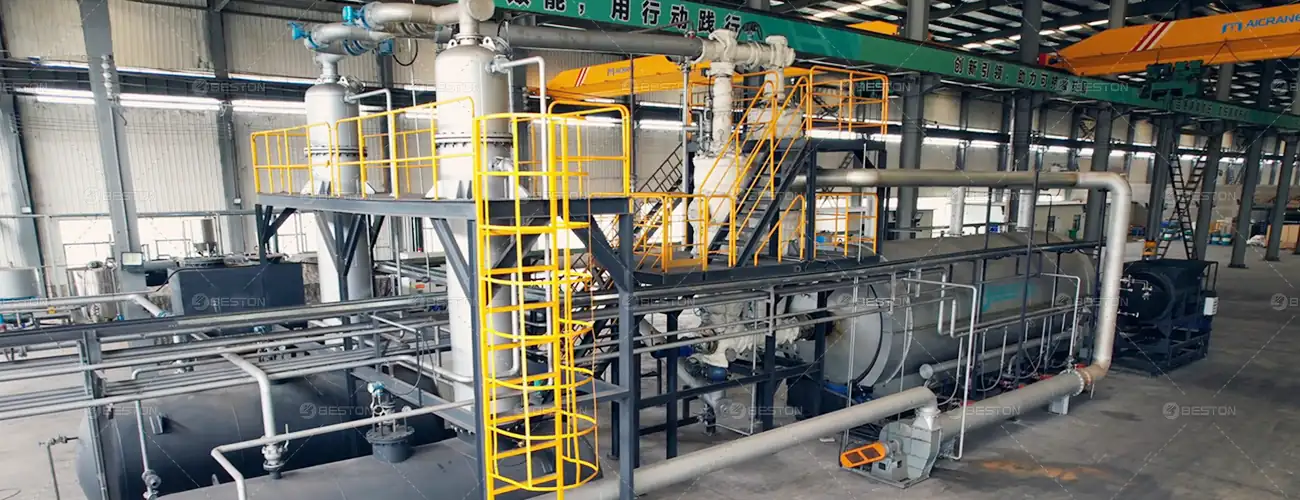
Thermal desorption is a process where contaminated soil is heated to temperatures that volatilize organic pollutants like oils, allowing them to be separated and treated. The process typically takes place in a thermal desorption unit, which applies heat to soil in a controlled environment, ensuring that harmful contaminants are efficiently removed while minimizing the risk of environmental damage. The volatilized oils are captured and condensed into a reusable form, leaving behind purified soil suitable for safe reuse or disposal.
Energy Requirements
One of the key economic factors in evaluating the cost-effectiveness of thermal desorption is energy consumption. The process requires significant amounts of energy to heat the soil to the required temperature, which can be a considerable expense. However, the design and operation of modern thermal desorption units have made substantial improvements in energy efficiency. Advanced units incorporate heat recovery systems that reuse the heat from the process, reducing overall energy costs. The use of renewable energy sources, such as biomass or waste-derived fuels, further improves the economic viability of the process by reducing reliance on conventional fossil fuels.
2. Operational Costs
While thermal desorption is energy-intensive, the operational costs are often outweighed by its effectiveness and efficiency. The primary costs associated with the operation of a oil sludge treatment plant include energy, labor, and maintenance. Labor costs are minimized due to the automated nature of modern thermal desorption systems, which require fewer human interventions during the soil treatment process. Furthermore, the system’s ability to process large quantities of contaminated soil in a short amount of time enhances its overall cost-effectiveness when compared to traditional remediation methods such as bioremediation or excavation.
Capital Investment
The initial capital investment for setting up a thermal desorption unit can be high, due to the complex technology and infrastructure required. This includes costs for the unit itself, the necessary support systems, and site preparation. However, when considering the long-term savings generated by reduced labor costs, faster processing times, and the ability to treat large volumes of soil, the return on investment becomes more favorable. Additionally, the thermal desorption process allows for the recovery and reuse of the extracted oils, which can offset some of the costs through resale or reuse in various industrial applications.
Cost Per Tonne of Soil Treated
The cost of treating oil-contaminated soil with thermal desorption is often measured in terms of cost per tonne of soil treated. This cost can vary depending on several factors, including the level of contamination, soil composition, and geographical location. For heavily contaminated soils, additional treatments or preprocessing may be required, which can drive up the costs. However, the overall efficiency of thermal pyrolysis system—especially when handling large volumes of soil—ensures that the cost per tonne remains competitive when compared to alternative remediation technologies.
3. Environmental and Regulatory Considerations
From both an economic and environmental perspective, thermal desorption offers distinct advantages. It is a closed-loop process, meaning that it generates fewer emissions and by-products compared to open-air incineration. The ability to recover and reuse oil removed from contaminated soil also contributes to sustainability efforts, reducing the need for fresh resources. Moreover, the treatment meets stringent environmental standards, ensuring that the remediation process does not introduce further contamination into the environment.
Regulatory Compliance
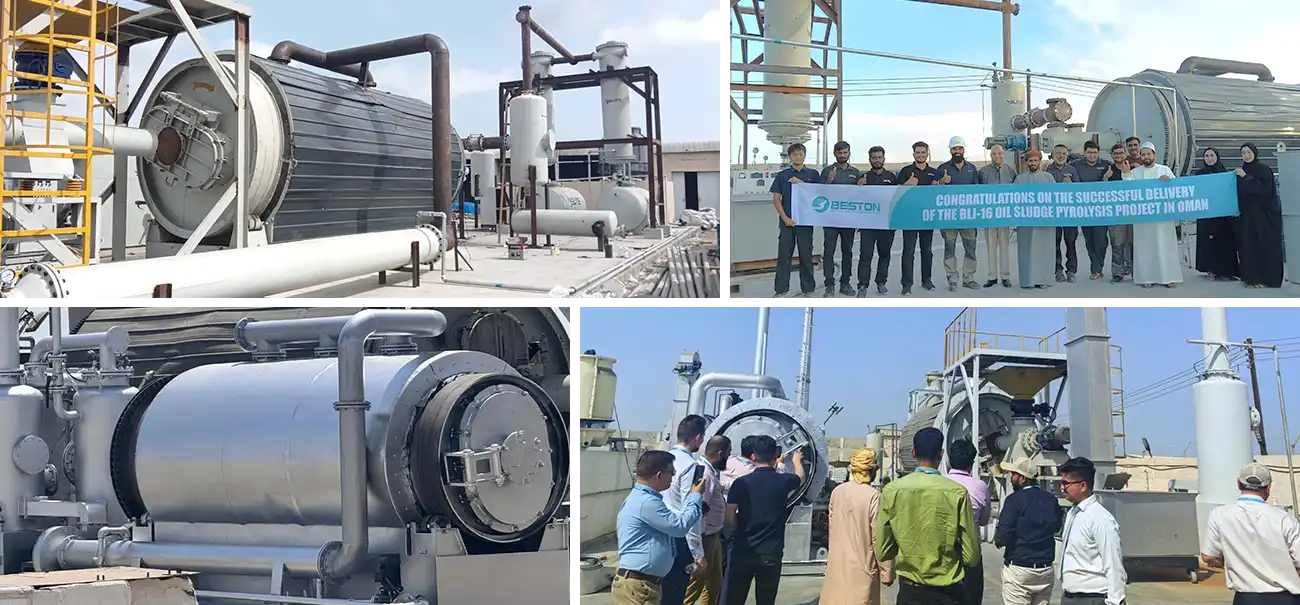
Compliance with environmental regulations is a critical aspect of any remediation process. Thermal desorption units are designed to operate in accordance with local and international regulations governing the treatment of contaminated soils. This includes adherence to air quality standards, waste disposal protocols, and water usage limitations. By ensuring compliance with these regulations, operators can avoid costly fines and ensure that the treated soil meets the necessary quality standards for reuse in construction or agricultural applications. Learn more about solid waste treatment solutions: https://bestonmachinery.com/
4. Long-Term Economic Impact
The long-term economic impact of thermal desorption for soil remediation can be significant. First, the ability to treat large volumes of oil-contaminated soil quickly leads to reduced downtime for affected areas. Whether in industrial zones or agricultural land, the faster the remediation process, the sooner the land can be returned to productive use. Additionally, the recovery of valuable oil products during the treatment process presents an opportunity for revenue generation, enhancing the financial feasibility of thermal desorption as a long-term solution.
Moreover, as environmental regulations become more stringent and the demand for sustainable, eco-friendly remediation technologies increases, thermal desorption is well-positioned as a competitive solution. Its ability to meet regulatory standards while offering efficient, cost-effective treatment will continue to drive its adoption in the coming years.